For a Jeonju stay with your parents, deciding between a hanok and a hotel is less useful than first deciding how everyone wants to sleep. A traditional roof says little about the bed inside. Ask whether getting up from floor bedding would be difficult, whether anyone needs a separate bed, and whether returning to the room after lunch matters. Those answers can change the trip more than the building’s appearance.
This guide compares Lahan Hotel Jeonju and Wangyijimil for an adult party. Lahan is the hotel-base option beside the Hanok Village, while Wangyijimil offers a way to spend more time in a hanok property with a bed-equipped room. Neither is automatically suitable because of a traveller’s age. Choose the sleeping arrangement and daily pace first, then compare offers for your own dates and party.
Separate the building style from the sleeping arrangement
A timber frame and tiled roof can be appealing, but check the sleeping arrangement independently. A hanok property may have beds, and a modern hotel may sell an ondol room. Lahan lists Deluxe Ondol separately from its bed-equipped categories. Wangyijimil’s official Jeong 1 room page specifies two double/king beds. The simple assumption that hanok means floor bedding and hotel means a raised bed would miss both distinctions.
Agree who can share before choosing a room. Two beds can allow two people to sleep separately; they do not provide four individual sleeping surfaces for four adults. Additional floor bedding is also different from an extra regular bed. Inspect the chosen room’s description and photographs together, paying attention to bed width and height and the space for luggage. A room’s maximum occupancy does not answer each of those questions.
Plan the return to the room, not just the walk out
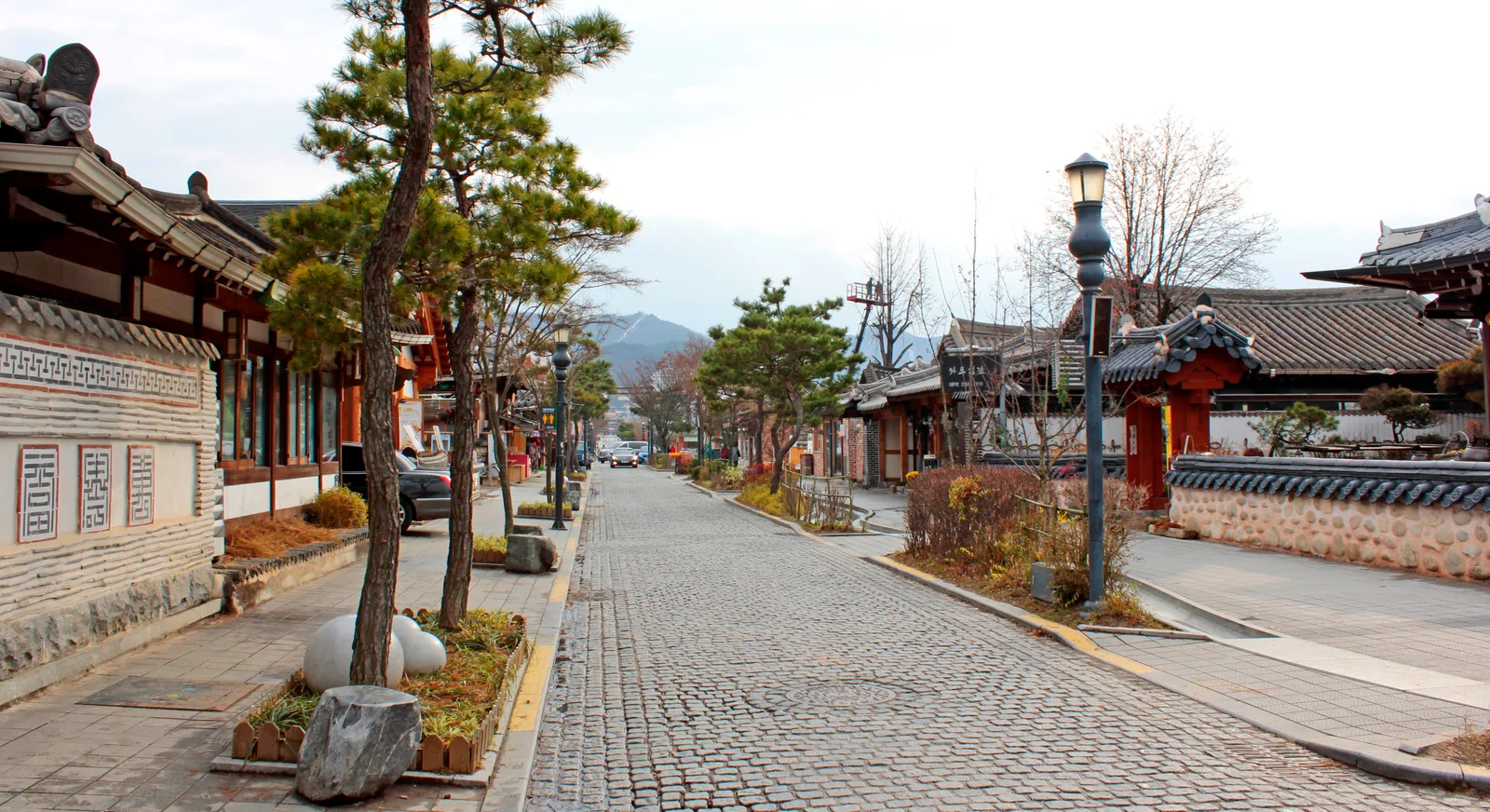
Being near the village on a map does not by itself mean that returning for a rest will be easy. Identify the entrance you will use, the route to reception and the floor of the room. Think about whether you expect to go out again after lunch. Do not turn a straight-line distance into a walking time, or choose a luggage arrival point from a rooftop-view photograph.
If the party enjoys walking but wants an afternoon break, a hotel beside the village is a useful starting point for splitting the day. If time in the room and courtyard is a major part of the holiday, a bed-equipped hanok hotel may deserve more of the schedule. That choice still leaves journeys to and from the sightseeing area. Put transfers, meals and rest into the same day before comparing room prices alone.
Read the bed description at Lahan Hotel Jeonju
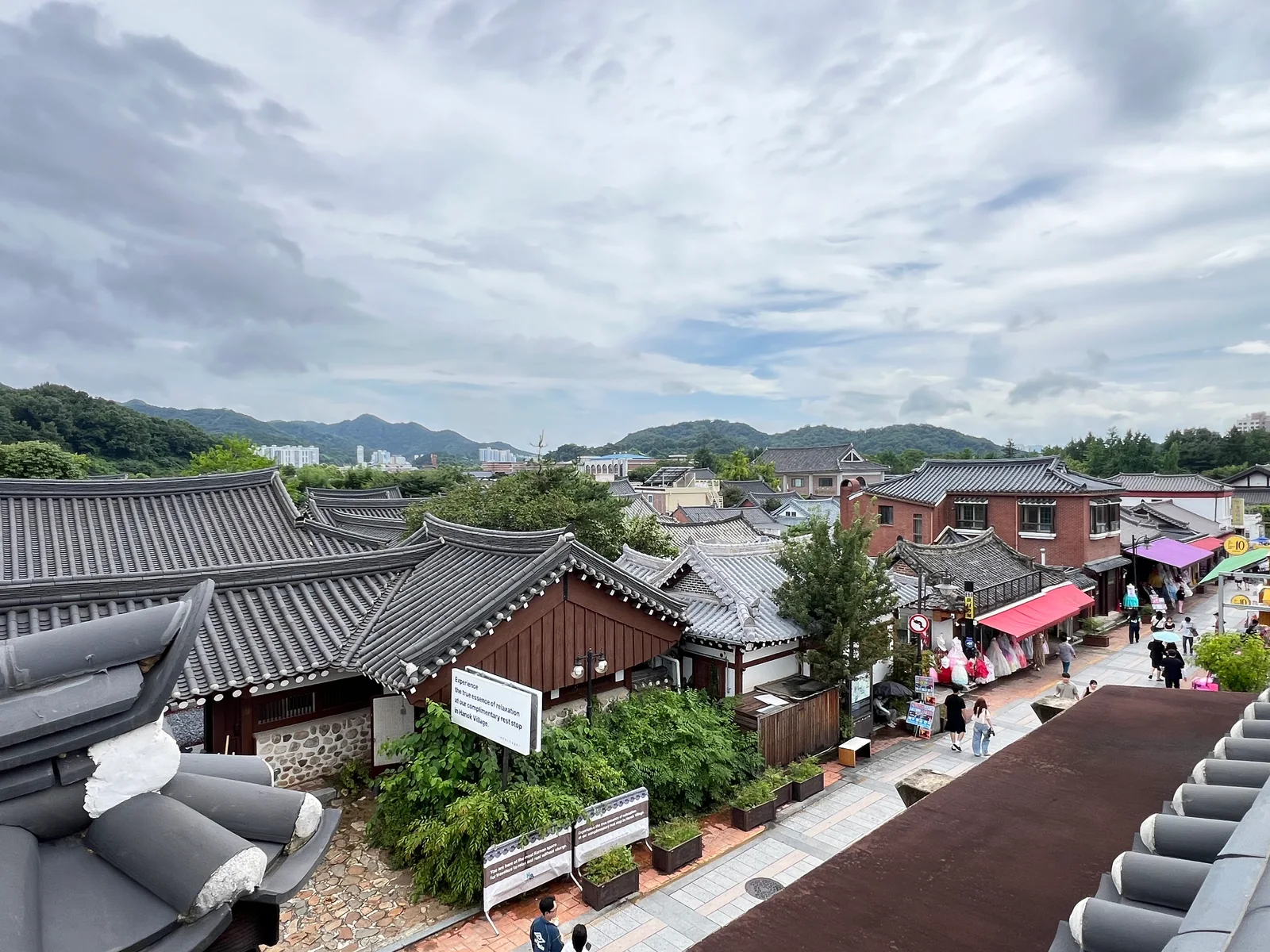
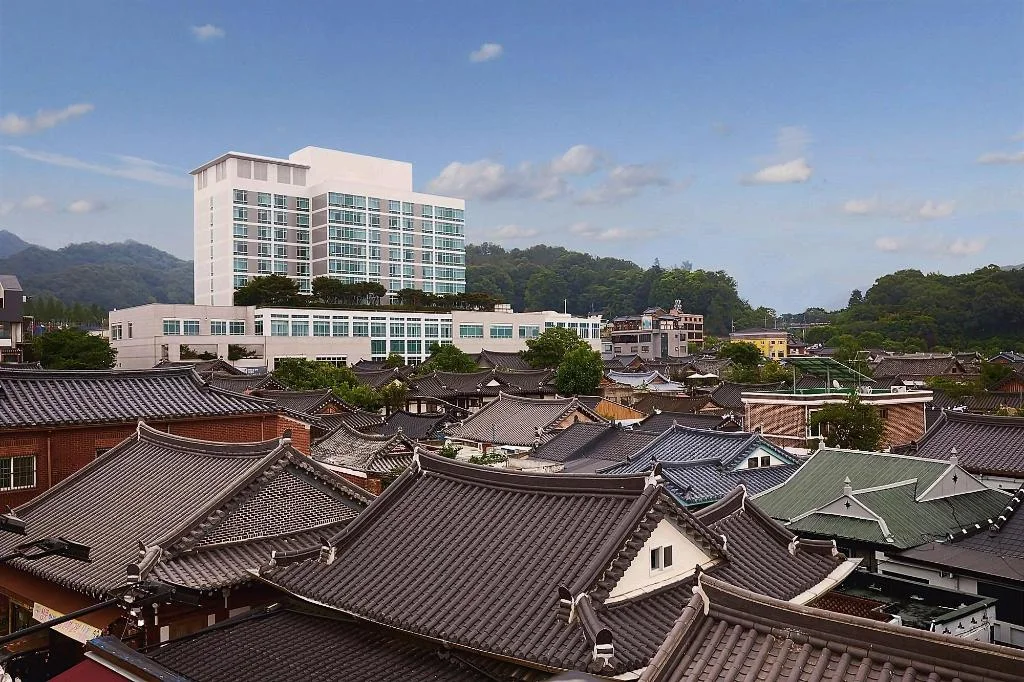
Lahan Hotel Jeonju is at 85 Girin-daero, Wansan-gu, Jeonju. It is worth comparing when your priority is returning to a room between walks around the Hanok Village. Staying in a room overlooking hanok roofs is different from sleeping in a hanok building. If the view matters, check that the selected rate actually includes the desired view.
Check dates and rooms on Agoda · Check booking conditions on Trip.com
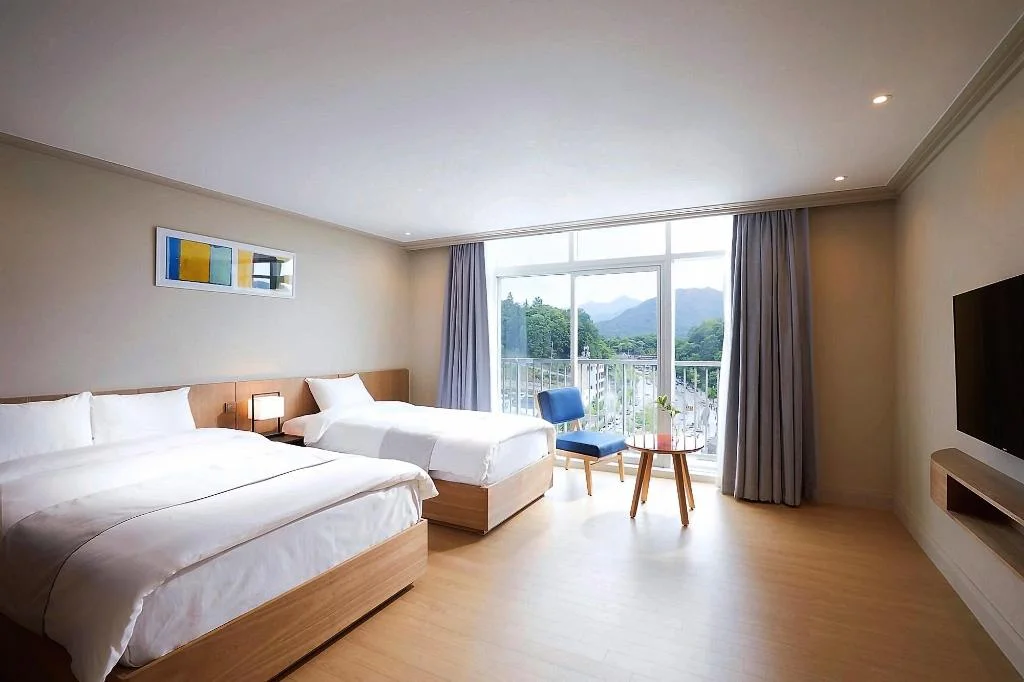
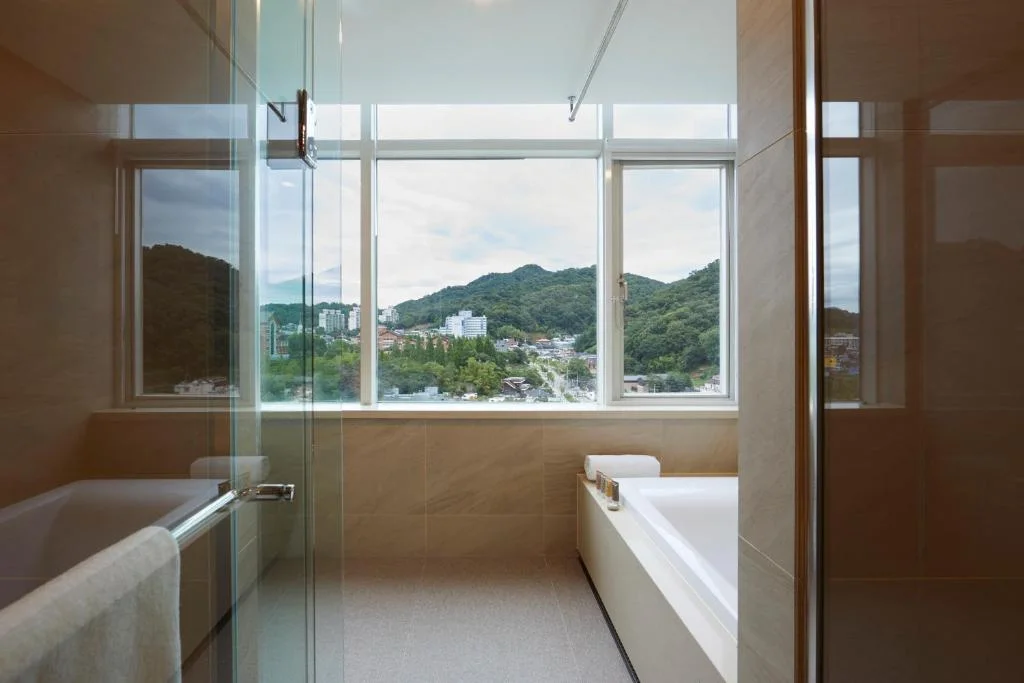
The official Deluxe Twin description combines one double bed with one single, while Family Twin has two doubles. Deluxe Ondol is another category. Do not read “twin” as a promise of two single beds. Choose the sleeping arrangement first if sharing is difficult, then compare outlook and space. The published maximum occupancy is general category information, not a guarantee that a particular adult party fits the rate you have opened.
The trade-off is that this is a hotel room rather than an overnight stay in a traditional hanok building. Its location can instead support a day divided between sightseeing and room rest. Read the conditions of the specific rate: some products may have a later check-in restriction. Separately confirm luggage storage before arrival, actual room access time, breakfast inclusion and the cancellation deadline. A hotel’s general introduction does not replace those rate terms.
At Wangyijimil, choose the bed and the floor together
Wangyijimil is the comparison for travellers who want a hanok setting without automatically choosing floor bedding. The current official Jeong 1 page describes a bedroom and living room, with bathroom and toilet facilities, and specifies two double/king beds. It is a concrete example of a bed-equipped hanok category. The description applies to Jeong 1; it should not be extended to every room sold under the hotel’s name.
Check dates and rooms on Agoda · Check booking conditions on Trip.com
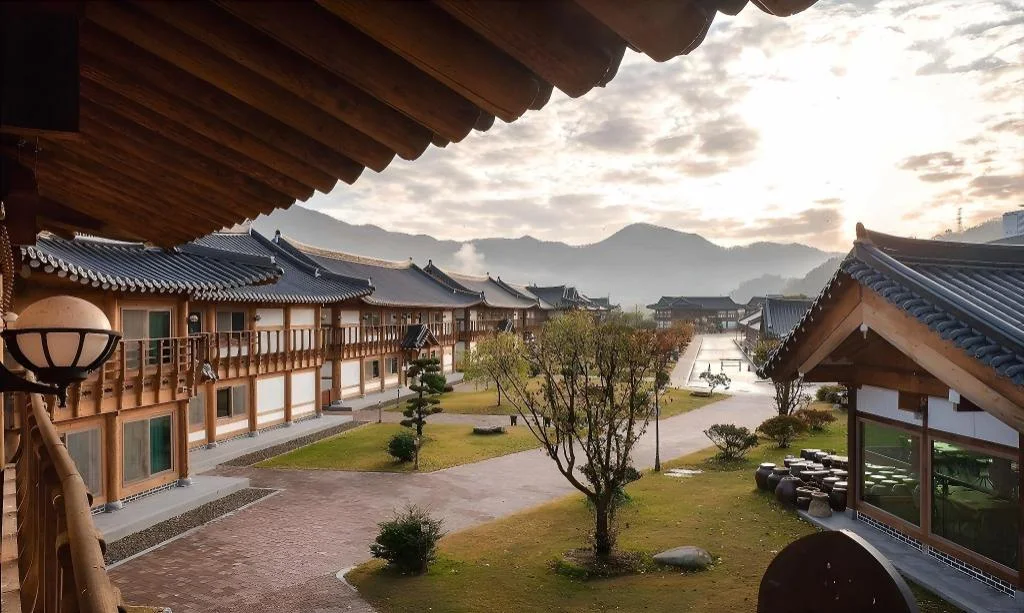
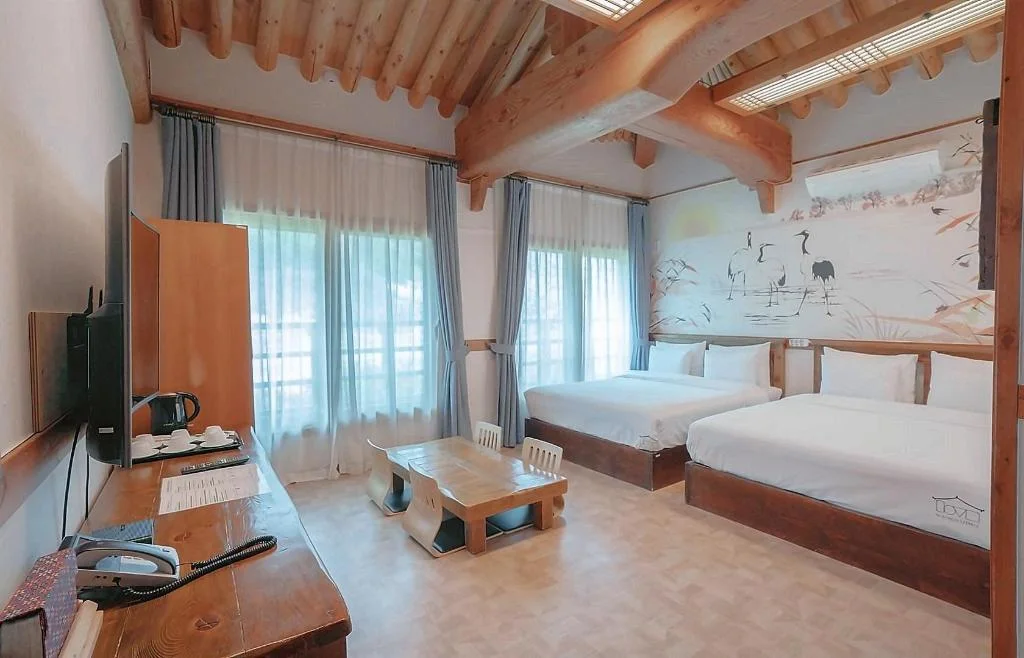
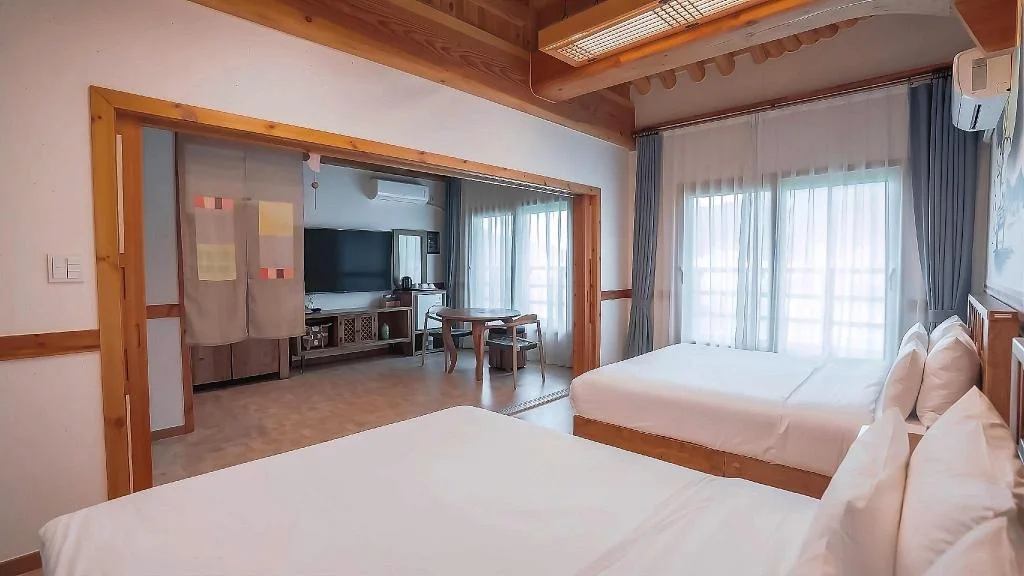
The official page lists first- or second-floor accommodation, 60m² and a maximum of four occupants. Two double beds still do not mean four separate beds. The hotel recommends the first floor for guests with reduced mobility, but that is not a guarantee of a first-floor allocation or a completely step-free route through the entrance and bathroom. Describe the movements and access conditions that matter to your party when asking the property.
Confirm the arrival address too. The current official site displays 5218-7 Chunhyang-ro, while the OTA property listing displays 5218-20. Do not assume that these are interchangeable reception or building numbers. Ask which reception pin, assigned building and vehicle drop-off point apply to the reservation. This should also be planned as a property requiring a separate sightseeing journey, rather than a hotel immediately beside the village.
Trace the route from the drop-off point to the bed
If stairs are a concern, a single “lift available” label does not explain the entire route. Ask about the drop-off point, reception, room threshold and bathroom entry in that order. One small step may be manageable for some people but significant for others, especially when repeated. Treat access as a set of specific requirements rather than calling an entire hotel accessible on the basis of its age, style or floor number.
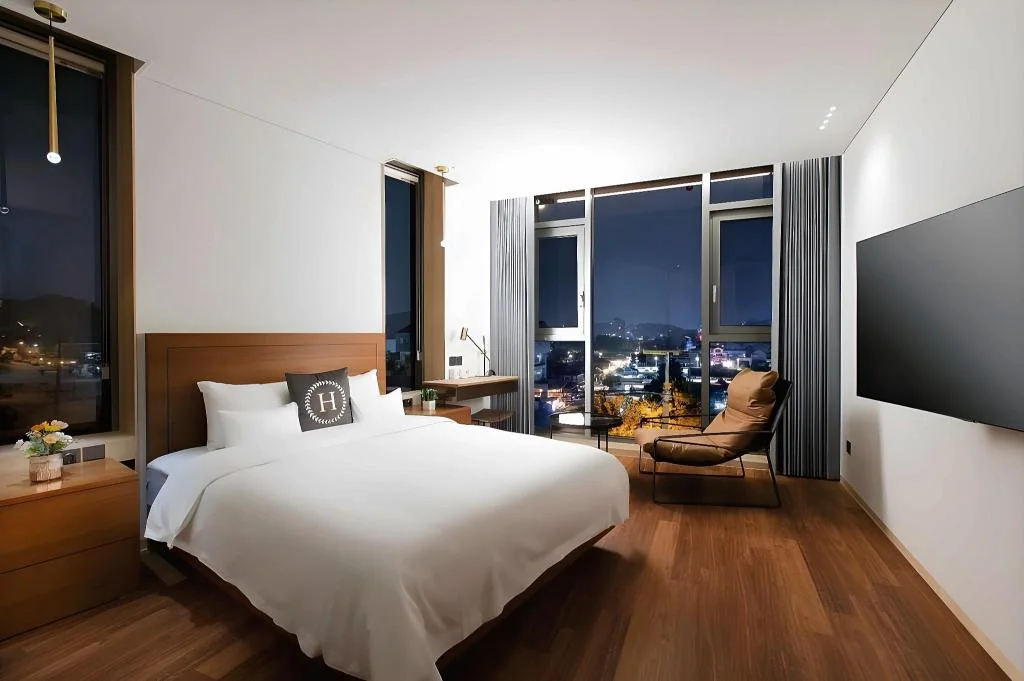
Look at photographs with the actions you will perform in mind. Can someone move beside the bed? Where will luggage go? Is a separate shower needed instead of entering a bathtub? Establish whether the image shows the actual category or a representative room. Bed softness, heating comfort and quiet cannot be guaranteed by a photograph. Ask the hotel directly when one of those conditions is essential to a comfortable stay.
Separate arrival-day luggage from the first outing
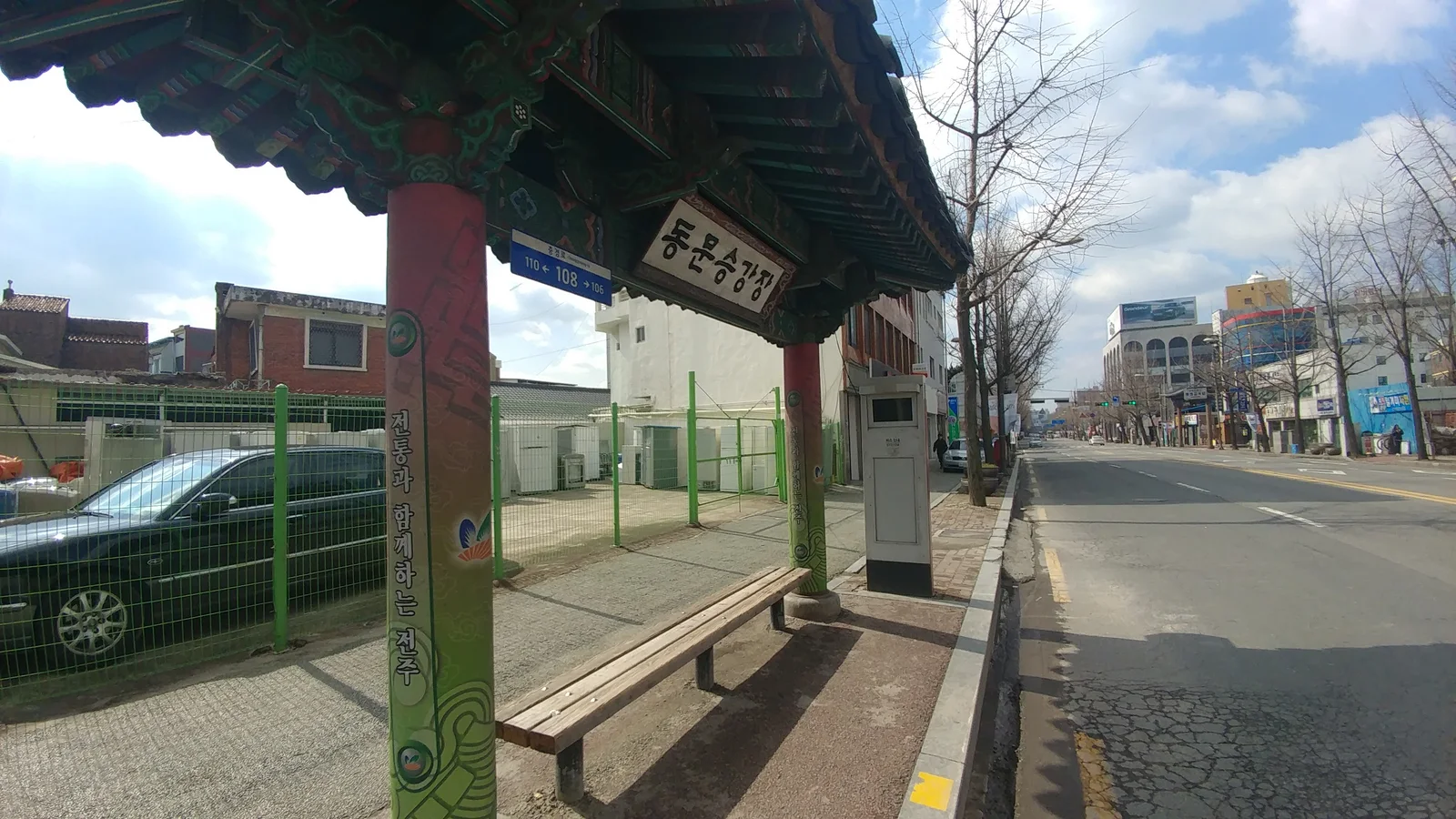
On arrival in Jeonju, decide where luggage will go before adding a long sightseeing walk. Permission to store bags before check-in is different from permission to use the room. Even if storage is offered, it does not create somewhere to lie down. If resting immediately after the journey matters, align the arrival service with the selected rate’s room-access time rather than assuming early check-in.
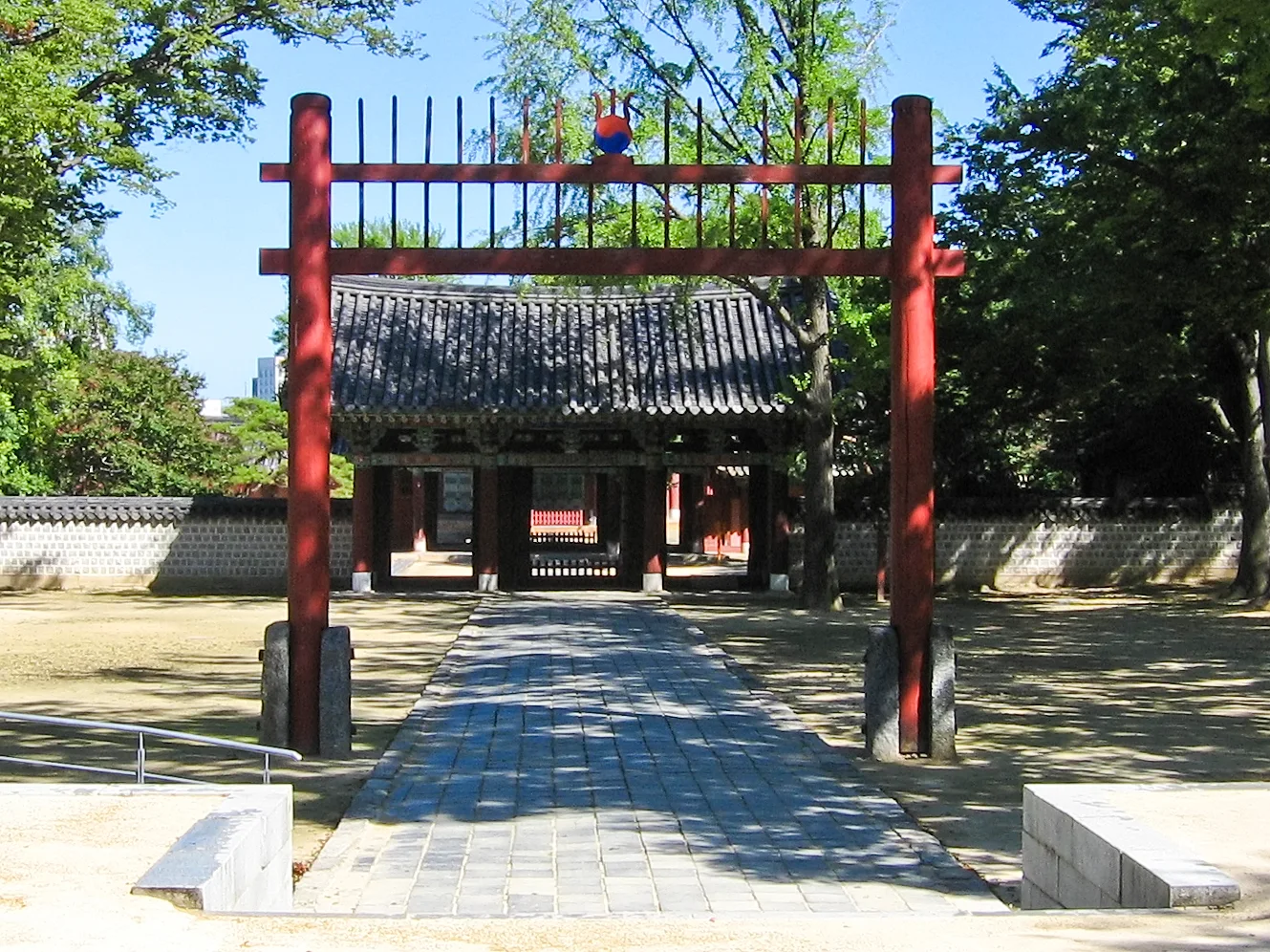
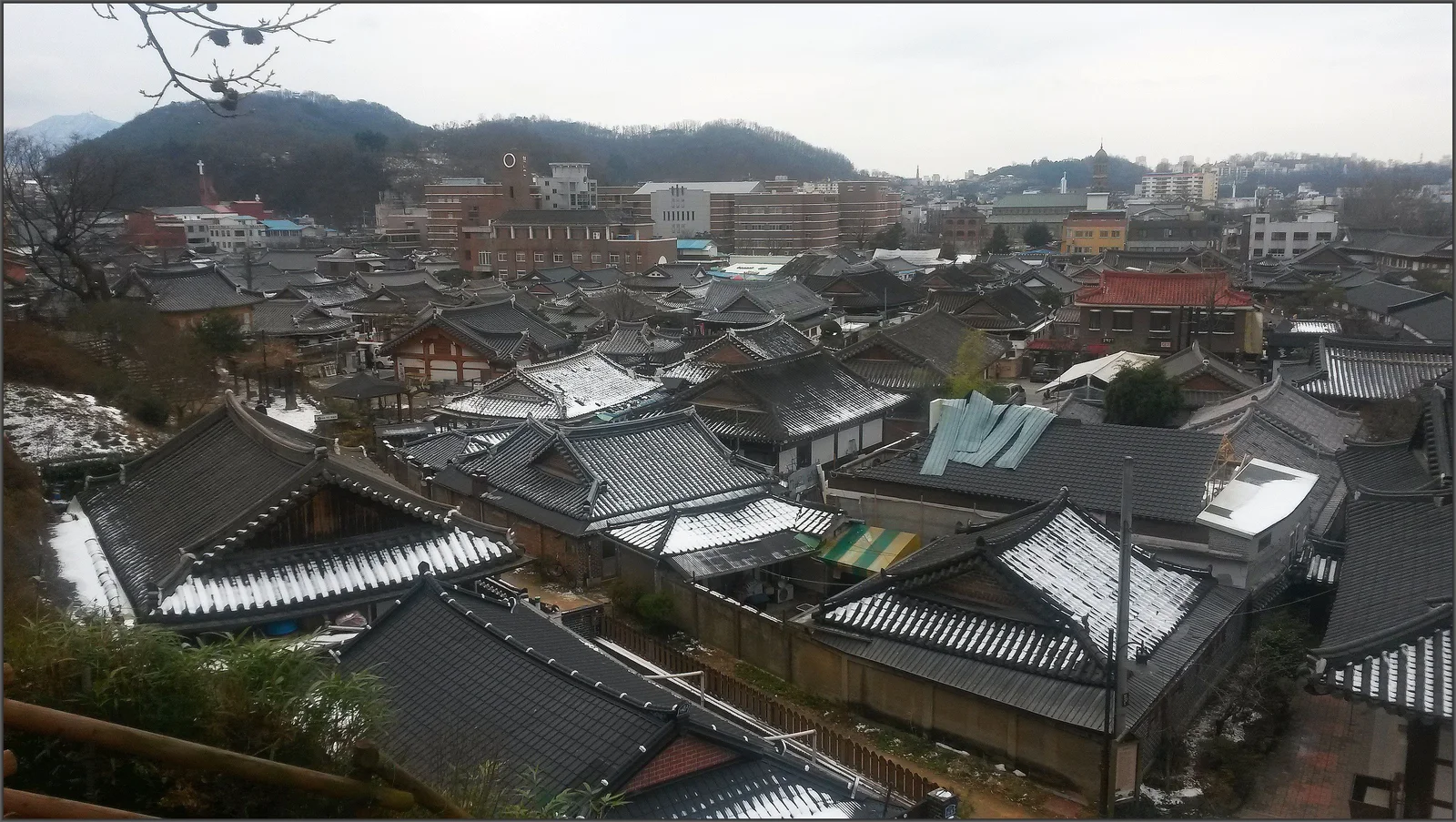
Keep the first outing to one nearby area and a meal. In the Hanok Village, that might mean choosing a small set of lanes, a place to pause and a clear return entrance instead of trying to cover every street. Check current opening and entry conditions before adding a visit such as Gyeonggijeon. The historical photographs here show the setting; they do not establish current bus routes, parking arrangements or opening hours.
Include the hours after check-out in the second day
There may be a gap between leaving the room and boarding your transport home. Post-check-out luggage storage or continued parking is a separate question. Do not assume that yesterday’s lounge or café can be used tomorrow on identical terms. Connect lunch, toilets and the departure point before adding another attraction simply because the room is no longer available.
For rain or cold, compare how easily you can shorten an outing. With Lahan as the base, consider breaks back in the room during village sightseeing. With Wangyijimil, consider a more distinct division between time at the property and a sightseeing excursion. Leave all but one or two important activities optional when conditions worsen. A photograph taken in a past winter is not evidence of today’s snow, pavement condition or operating arrangements.
Make the final comparison for your own party
Narrow the choice with the travellers’ answers rather than a star rating or a large gallery. Is a separate bed essential? Is spending the night inside a hanok building important? Does anyone need to lie down after lunch? For frequent room returns, start with the entrance-to-village route. For a stay centred on the property itself, first confirm the bed-equipped hanok category and the floor you can actually reserve.
Then compare the same dates, adult numbers and room count. Read the exact category, beds, breakfast, change and cancellation deadlines, and total payable amount. Keep maximum occupancy, regular beds and extra bedding as separate items. If a particular floor or access arrangement is essential, obtain a clear answer before committing to a restrictive reservation. A restful Jeonju visit can depend more on the interval between sleep and the next outing than on squeezing in another sight.
Lahan Hotel Jeonju — Official room information · Wangyijimil Jeong 1 — Official room information
Other hotels to compare
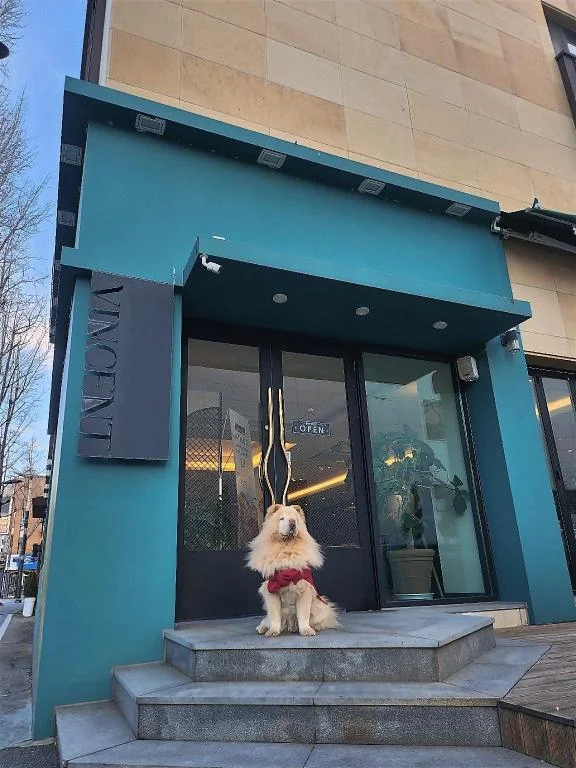
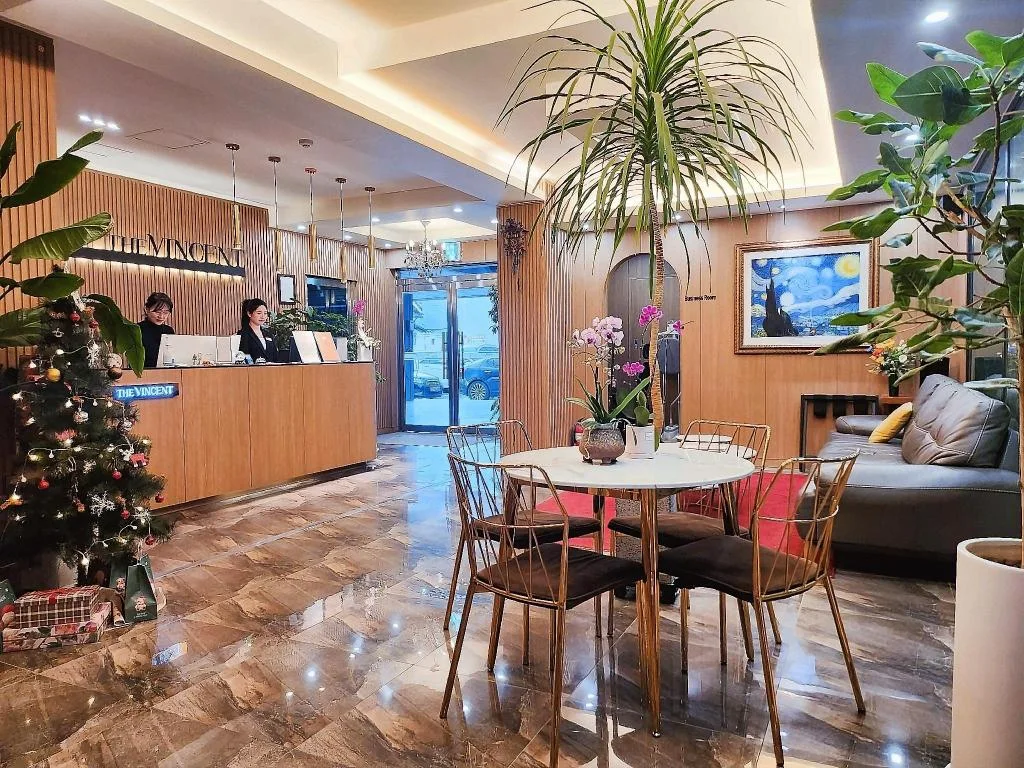
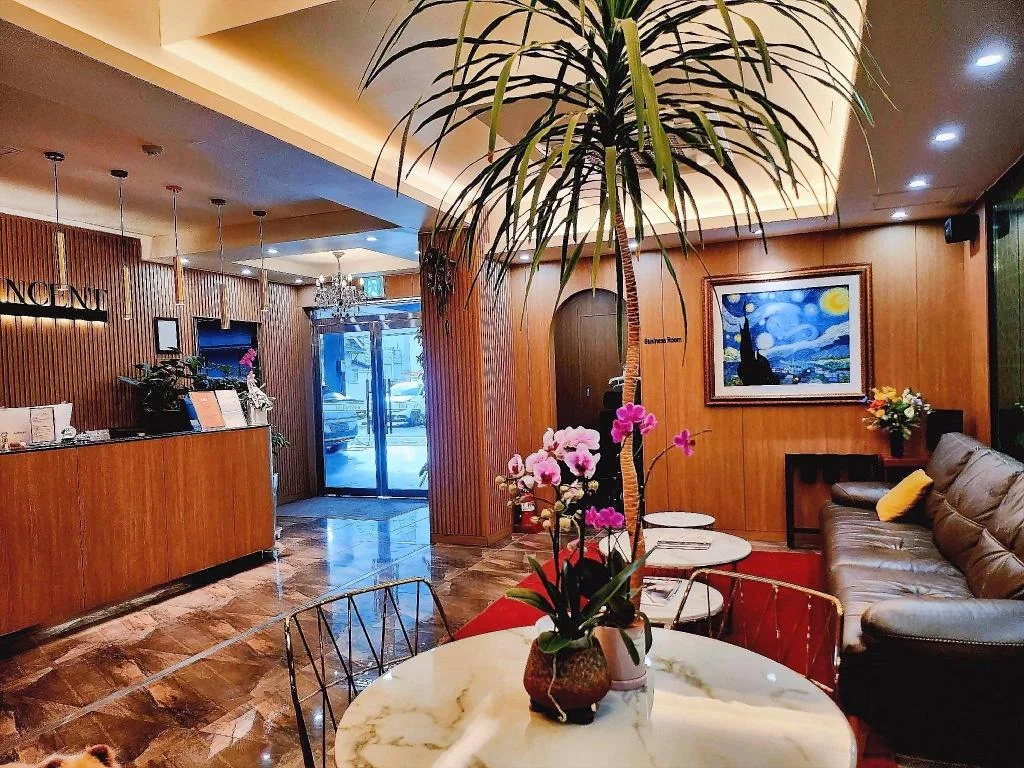
JEONJU HOTEL THE VINCENT
Listed address: 76 Jeollagamyeong-ro, Wansan-gu, Jungang-dong, Jeonju-si, South Korea, 55043. Check room occupancy and the actual bed arrangement for your party.
Check rooms and rates — JEONJU HOTEL THE VINCENT
The room list includes examples such as “Suite”. Room names are examples for comparison. Check occupancy, bed arrangements and availability for your dates on the booking page.
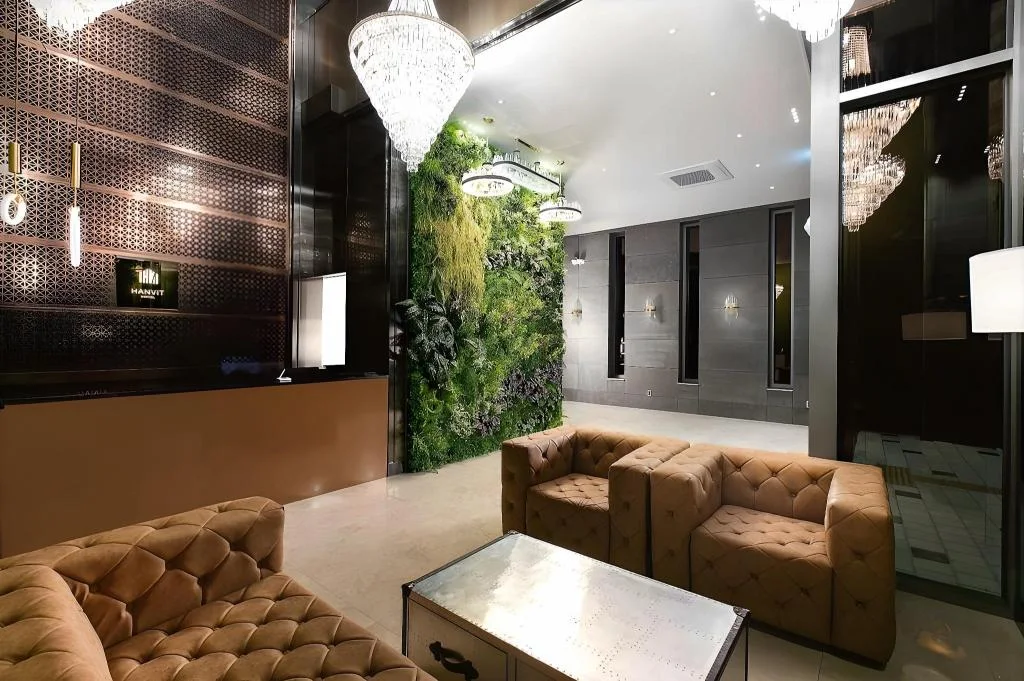
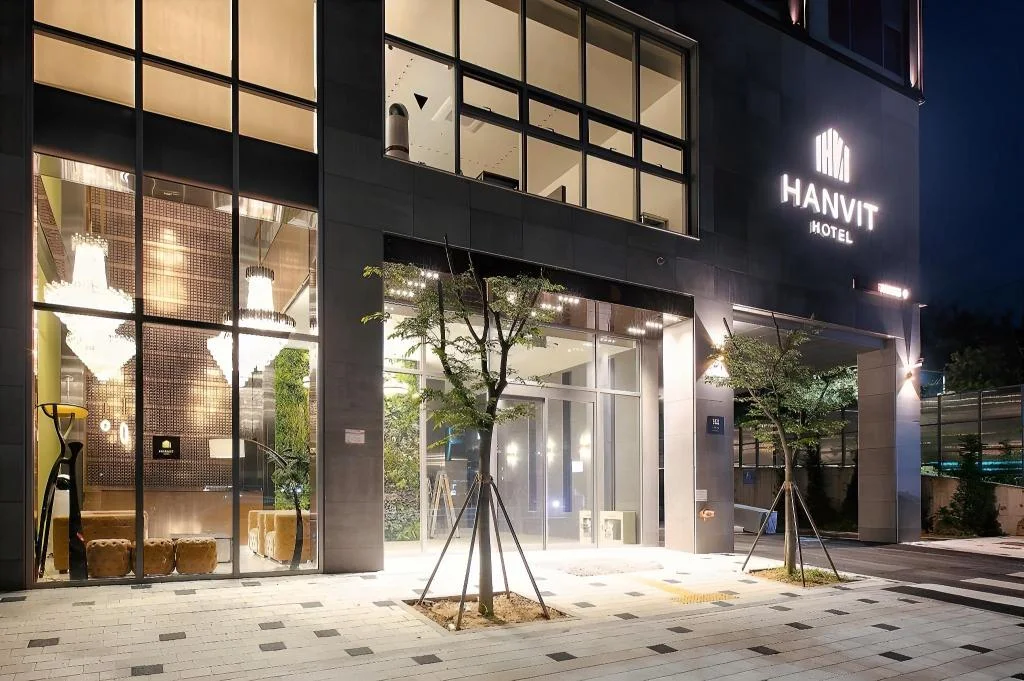
Jeonju Hanbit Hotel
Listed address: 102, Girin-daero, Wansan-gu, Jeonju-si, Jeollabuk-do, Nosong-dong, Jeonju-si, South Korea, 55036. Check room occupancy and the actual bed arrangement for your party.
Check rooms and rates — Jeonju Hanbit Hotel
The room list includes examples such as “Superior Double”. Room names are examples for comparison. Check occupancy, bed arrangements and availability for your dates on the booking page.