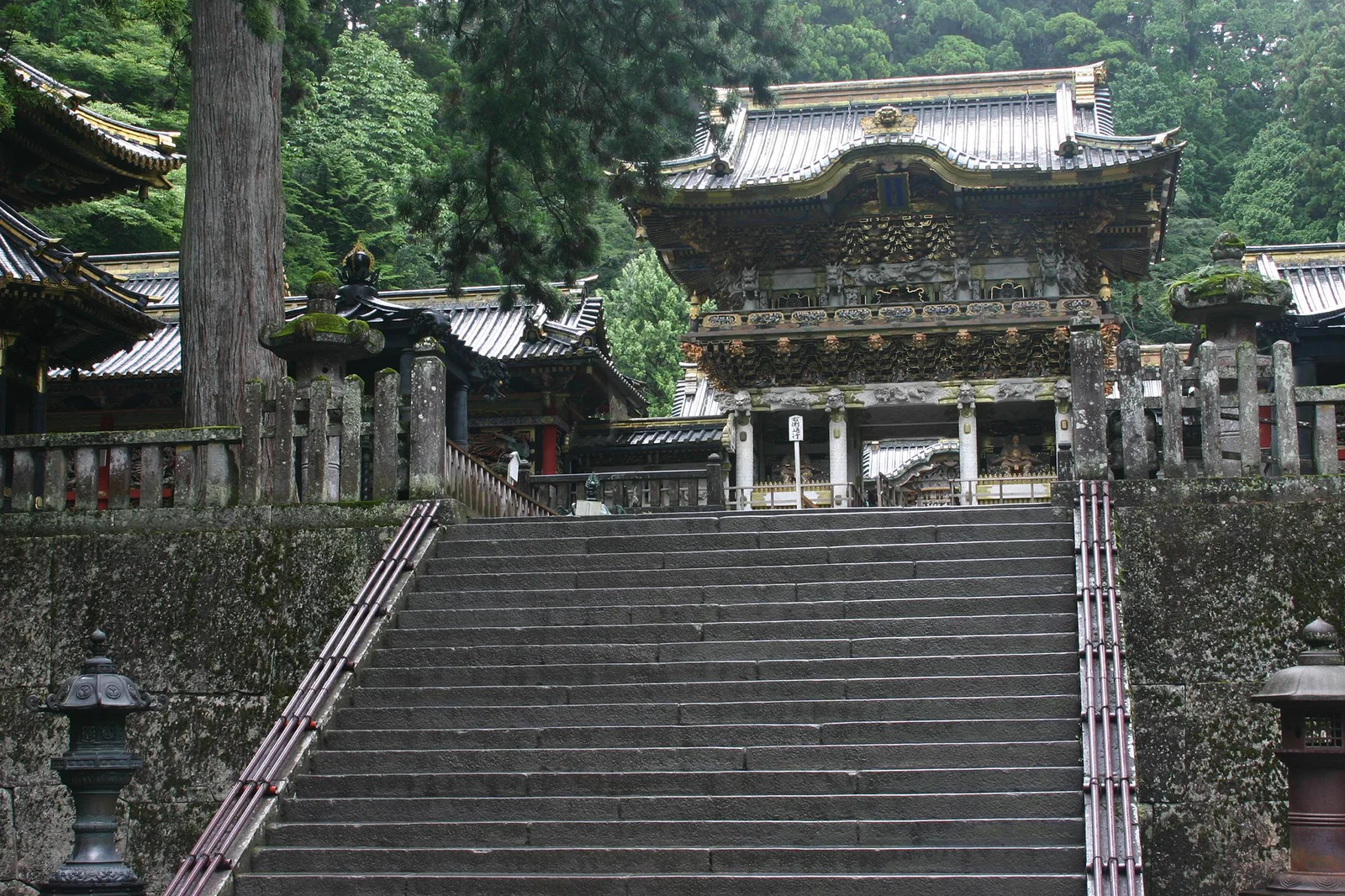
Choose where the bags finish the trip
For a car-free winter night in Nikko, compare the station area with the cultural area around Shinkyo before choosing a room. The useful question is where your large bags will be when you need to leave. A station base can fit a trip whose first and last steps are by rail. A Shinkyo base deserves a closer look when visiting the shrines and temples, then returning for a room break, matters more than being near the train.
Nikko's official tourism FAQ describes central Nikko as relatively compact, with walking and regular buses as ways to get around. It also stresses that other areas, including Kinugawa Onsen, Kawamata Onsen and Ashio, are much more spread out. A place name shared across the map does not make every destination part of one walk. Put the mountain outing on its own line before deciding how much a central hotel can do for you.
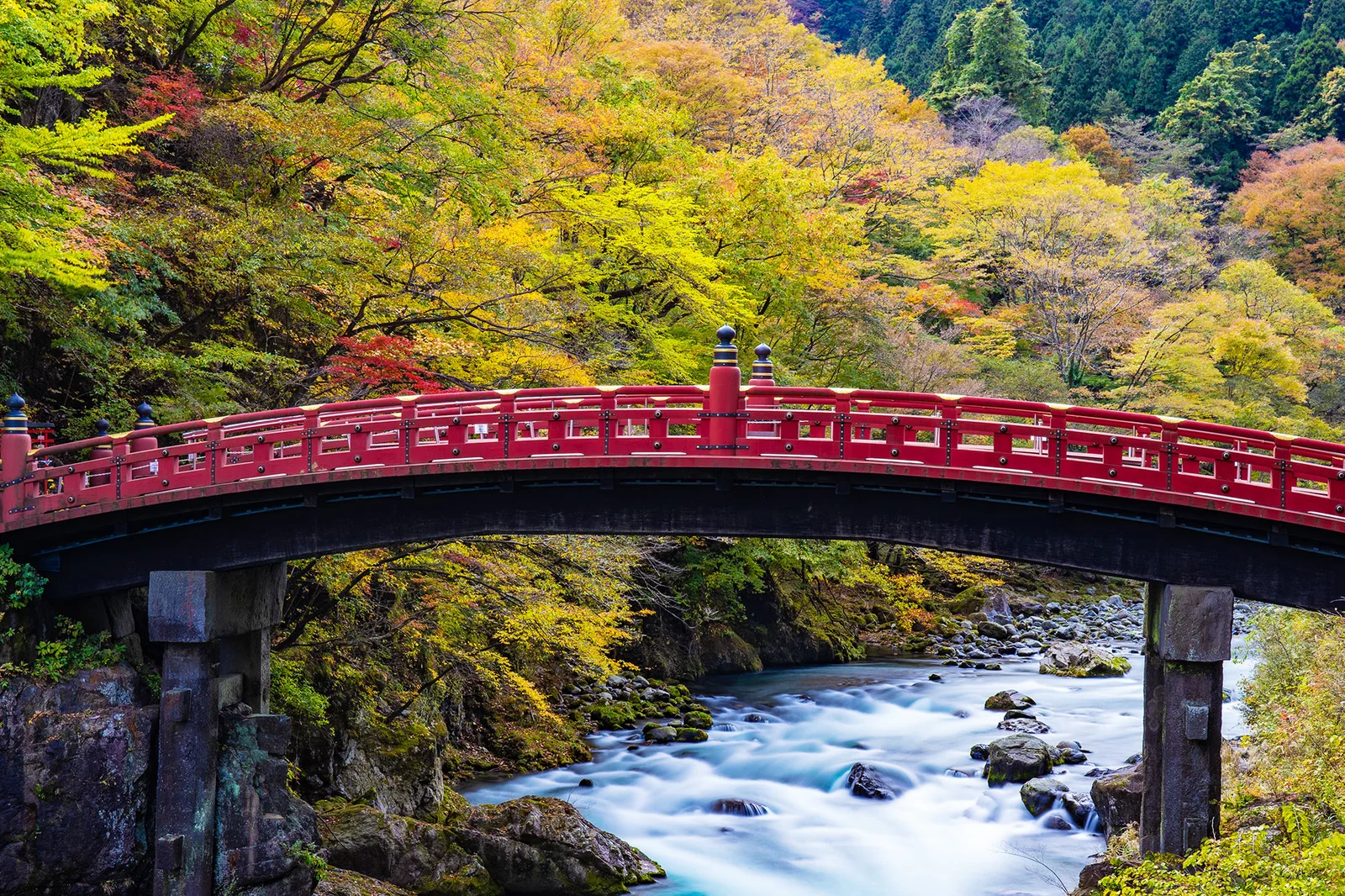
A station base puts rail days first
A station stay makes the arrival and departure sequence easy to picture: arrive by train, deal with the bags, then leave again from the rail side. It can be particularly useful when the next morning continues to another city. Storage before check-in or after check-out is a separate hotel policy, however. Do not turn an early train arrival into a promised room break or assume a locker will be empty and large enough for every case.
The station is not the entrance to every sight. If you plan to return to your room halfway through a cultural visit, include both the return and the second departure in the day. Compare one longer visit with two shorter sessions rather than judging the base by the rail arrival alone. A station hotel can be convenient for the bags while still requiring a deliberate journey back from the area you came to see.
Mark JR Nikko Station and Tobu Nikko Station separately. Check the arrival station printed on your train booking, then connect that station with the bus stop and hotel entrance you will use. A hotel described as being in front of JR Nikko Station does not put every rail arrival at the same doorstep. If your party arrives on different trains, agree on the full station name and a specific meeting point.
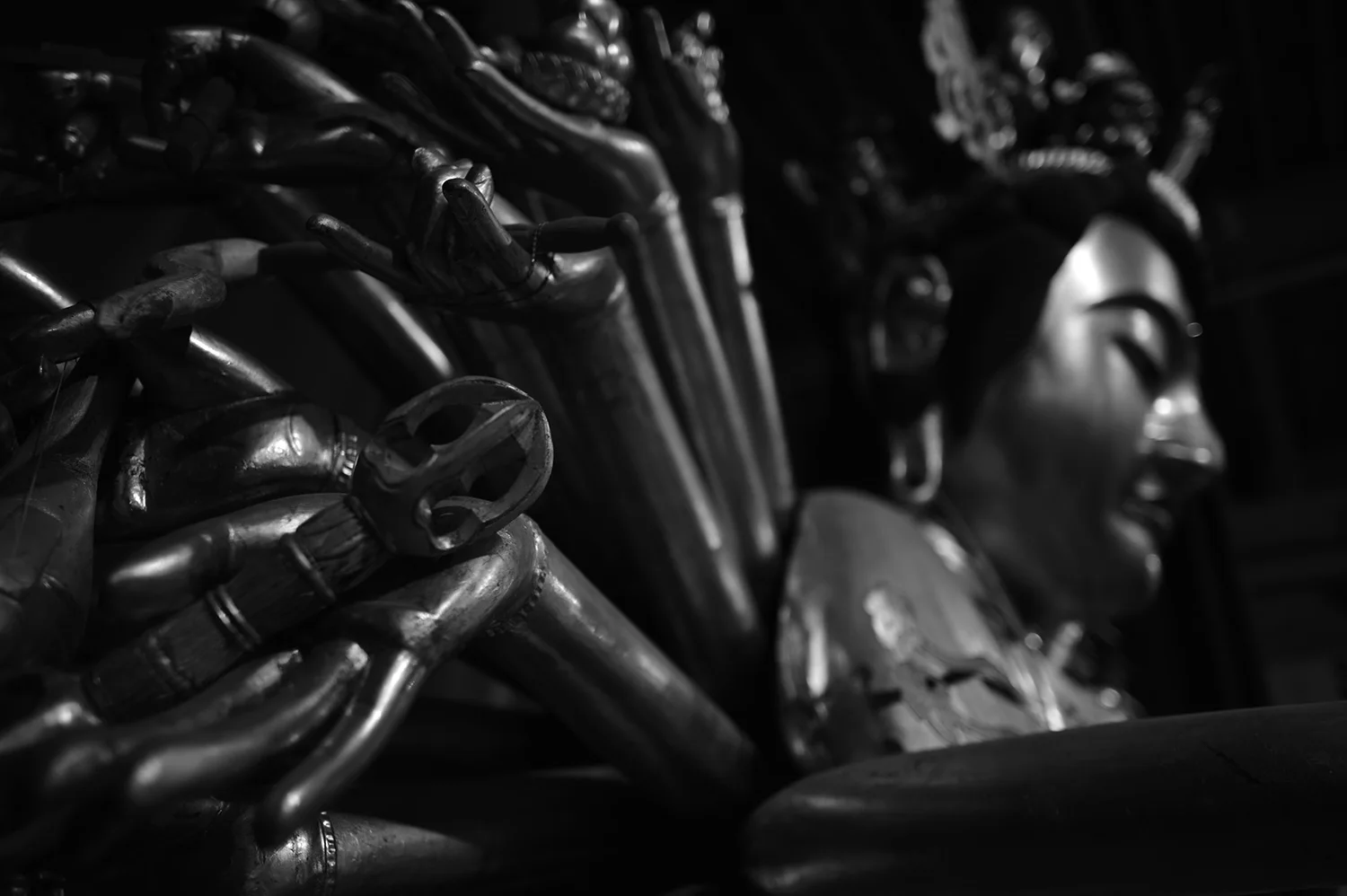
A Shinkyo base puts the cultural area first
A Shinkyo-area stay gives greater weight to the part of the trip spent around the central cultural sights. Plot the hotel's actual entrance and the entrances of the places you want to visit, rather than treating a broad neighbourhood label as a distance. That is the useful starting point for a midday break: can you return at a sensible point in the visit without adding another outing simply to rest?
On departure day, the rail leg remains. Leaving bags at the hotel may mean returning from your final sight to collect them before travelling to the station. If slower cultural visits were the reason for choosing this base, protect that pace instead of filling the last afternoon with a distant stop. A sightseeing day and a day spent checking out with luggage do not have the same usable shape.
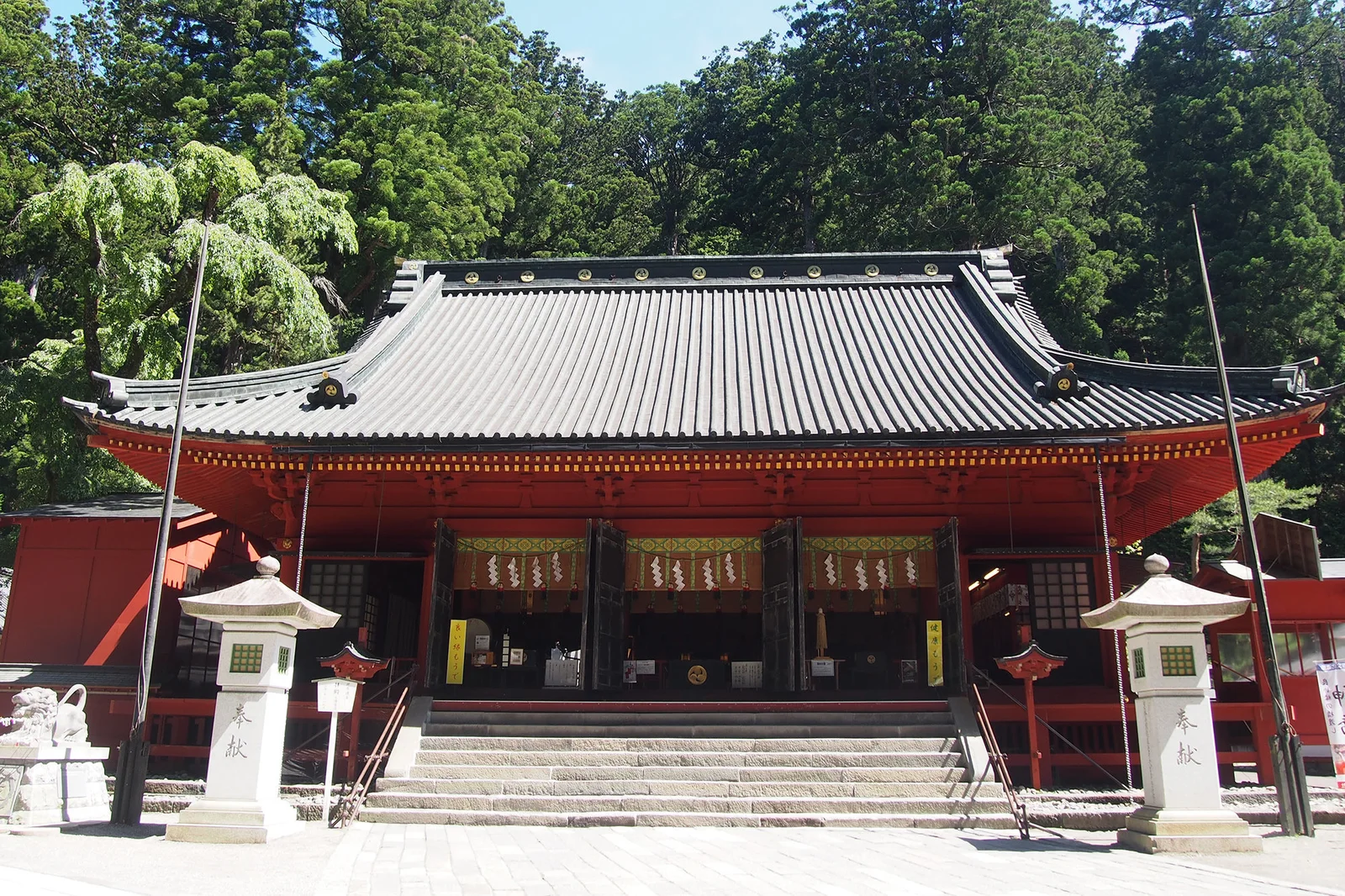
Give arrival and departure different jobs
If you reach Nikko late, the journey to the hotel and dinner may be the main events of the arrival day. Connect the arrival station, the hotel's final check-in time and a realistic meal arrangement before adding another attraction. A meal-inclusive reservation may have a serving window that matters separately from the room's arrival deadline. A hotel accepting late check-in does not by itself promise dinner at that hour.
For the next day, decide where the bags will wait after check-out and how you will reach the train. Collecting them at the hotel after one nearby visit is different from moving them to the station first. Avoid an itinerary that only works if a particular locker is available. If the hotel confirms storage under your reservation, use its hours and collection instructions to set the final visit, not the other way around.
If you use the online-booking option described in Nikko’s official Toshogu guide, exchange the voucher for a physical ticket at Tobu-Nikko Station Tourist Center before heading to the shrine. The named exchange point is not JR Nikko Station or your hotel reception, and the guide states that vouchers cannot be exchanged at the shrine entrance. Include that counter visit in the arrival route when comparing the two bases. Check the exact conditions of your chosen product and the counter’s hours for your date; do not apply this procedure to every type of admission.
Treat the lake and Oku-Nikko as a separate outing
Lake Chuzenji and Oku-Nikko deserve a separate transport plan, rather than whatever minutes remain after the shrines. Identify the outward boarding point, the direction of the return service and the connection you need after it. A cultural visit in central Nikko and a mountain visit may both appear under Nikko on the map, but the share of the day spent travelling changes substantially.
If your group wants both, decide what the overnight is meant to protect. Some may prefer a longer cultural visit; others may regard the lake as the reason to travel. Splitting the list of sights in half does not split the bus journey in half. Keep luggage collection and a fixed onward train away from a tightly packed mountain afternoon. The two hotels here are central-base alternatives, not substitutes for a lakeside hotel.
The official Tobu Bus Nikko page checked on 9 November 2026 lists the summer timetable valid from 1 April to 30 November 2026. For a December or later stay, use the operator’s information for that date instead of carrying those departure times into winter. The route list also separates the April–November Kirifuri Highlands K route from the December–March skate-centre and Kirifuri Falls T route. The G and U routes around Lake Chuzenji are seasonal, so their operating periods need a separate check.
Keep winter time for the return
In winter, leave some blank time for movement, warming up indoors and a slower companion, rather than treating every gap as room for another sight. Snow or ice on the day can change how a walk feels; a map distance alone cannot establish the path's condition. A plan that can drop one area is easier to adjust than one that depends on completing every stop before a fixed departure.
Use the operator's information for both the outward and return journeys on your actual date. A summer timetable or another traveller's previous winter cannot establish today's boarding point or final connection. Nor should an immediate taxi be the only way an itinerary can recover from a missed bus. Once the route home works, select the visits that fit inside it and keep your hotel choice useful through the end of the day.
Consider Nikko Station Hotel Classic
Nikko Station Hotel Classic lists its address as 3-1 Aioi-cho, Nikko, Tochigi 321-1413. Its position in front of JR Nikko Station makes it a candidate when handling bags on rail arrival and departure days is the priority. Check both Classic and the address on the actual offer: another property operated by the same company, or a hotel labelled Second, is not the same destination.
Check dates and room terms on Agoda
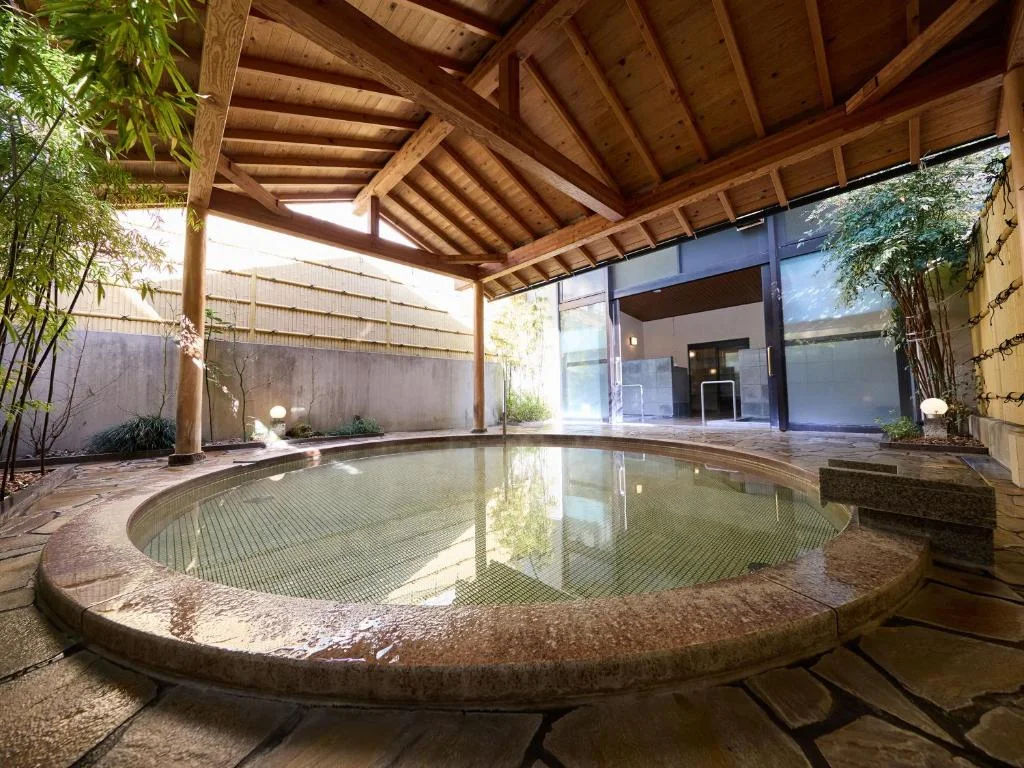
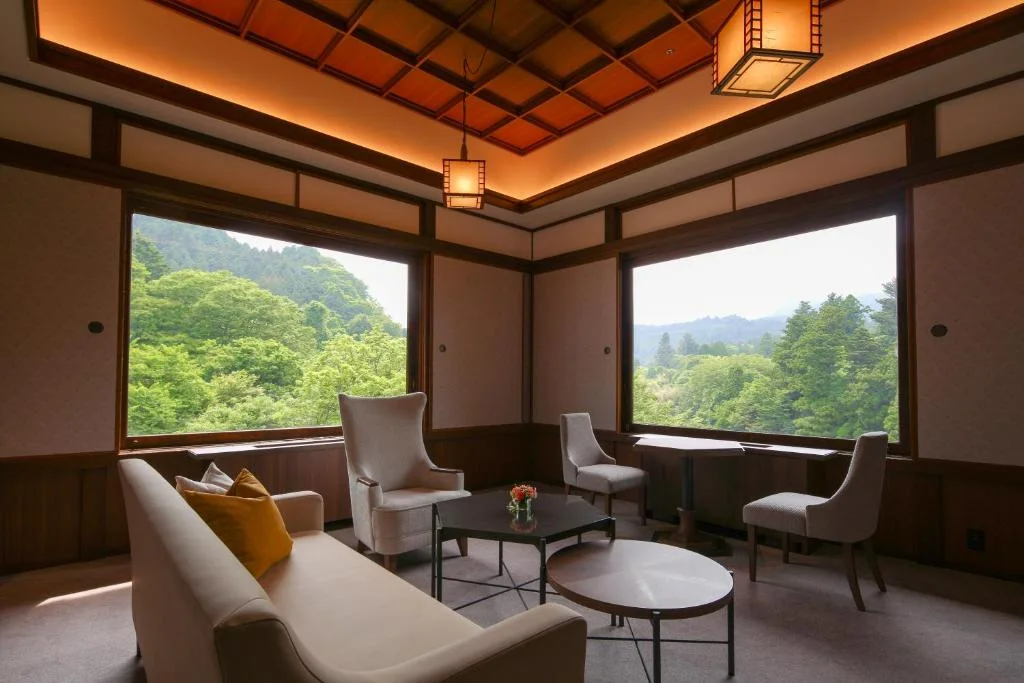
The official page lists check-in at 15:00, final check-in at 23:30 and check-out at 10:00. Read the arrival and meal conditions of your chosen reservation as well. The time when bags may be left and the time when a room may be occupied are different questions. An attractive bath or room photograph does not make early room access part of the offer, and the photographed room should not be assumed to be the room you book.
The hotel’s official site describes a self-service cloakroom available before check-in and after check-out. It gives a station stay a specific place to consider for dropping and collecting bags, separate from the time you can use your room. Confirm the rules for valuables, the actual drop-off and collection hours, and any size limits before making it part of your plan.
This base is strongest when the rail end of the trip sets the day's rhythm. It can suit an onward departure or a short arrival-day visit, while a group expecting frequent room breaks near the shrines must count the journeys back. Match the hotel entrance and your actual train station on the map, then read the luggage and room conditions attached to the chosen offer.
Consider Nikko Kanaya Hotel
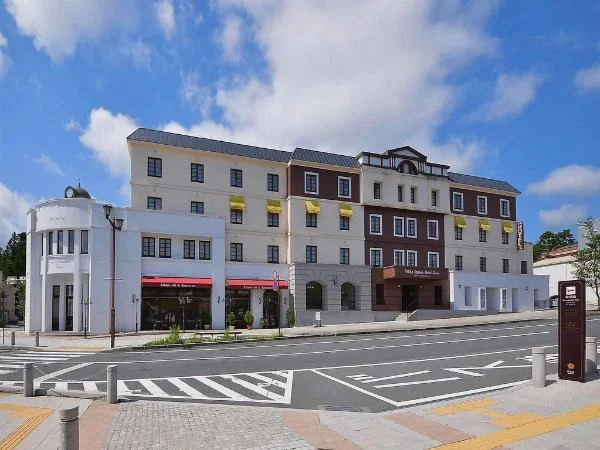
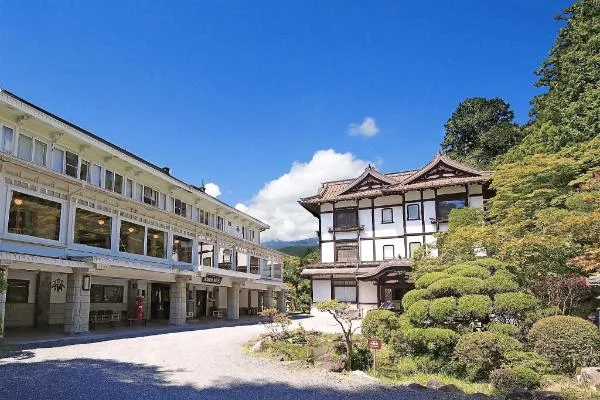
Nikko Kanaya Hotel lists 1300 Kamihatsuishimachi, Nikko, Tochigi 321-1401. It is the Shinkyo-area candidate for a stay organised around central cultural visits. It is a different property from Chuzenji Kanaya Hotel. Match the full name and address before choosing an offer; photographs and room descriptions from the lakeside property cannot identify a room at this one.
Check dates and room terms on Agoda
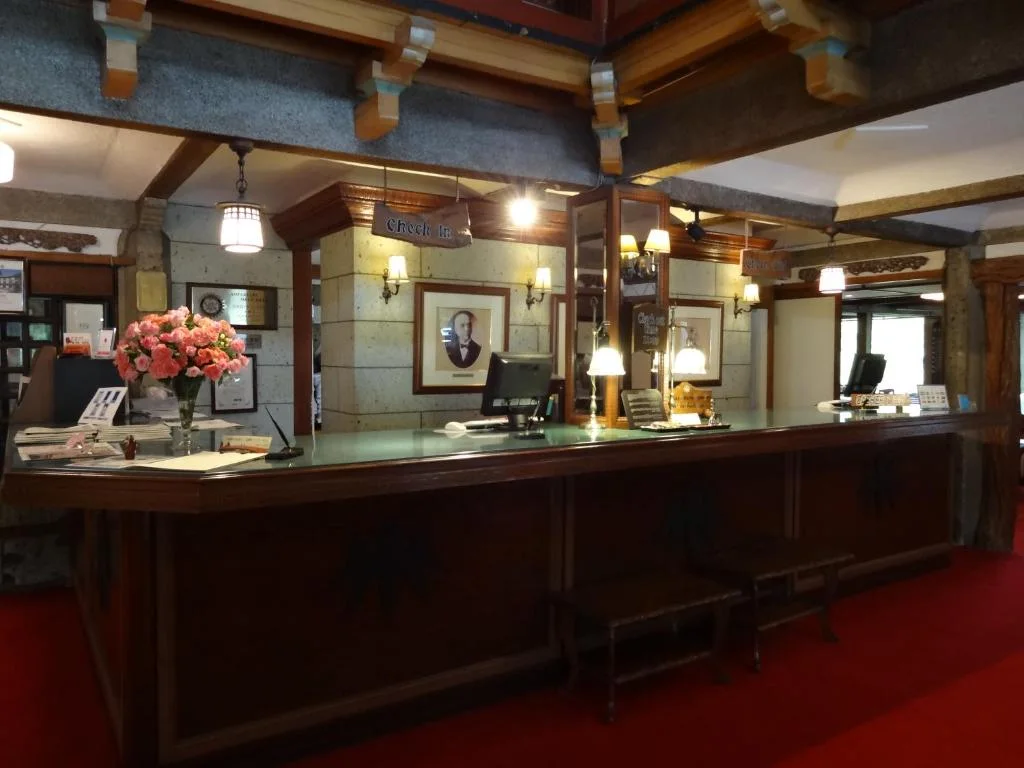
The official information lists check-in at 15:00, final check-in at 20:00 and check-out at 11:00. Those hours do not promise early arrival or late departure. The hotel describes rooms across several buildings, so read which room and location the offer covers. If you expect help with bags or a shuttle, ask about the actual service and hours rather than removing that part of the journey from the plan.
Picture a cultural visit followed by a return to the hotel, then the departure journey with luggage. That shows both the reason to choose this base and the remaining task of reaching the station. Staying here does not mean sleeping beside Lake Chuzenji merely because a lake outing appears elsewhere in your itinerary.
Compare the actual room and meal plan
Enter matching dates, guests and room counts before comparing hotel offers. A twin label does not answer every bed-size question, and a sofa in a photograph is not evidence of an extra bed included in the rate. If part of the group needs another room, adjoining or nearby rooms are a separate condition. For a rest-led trip, the hours when the room is actually available matter alongside its bed layout.
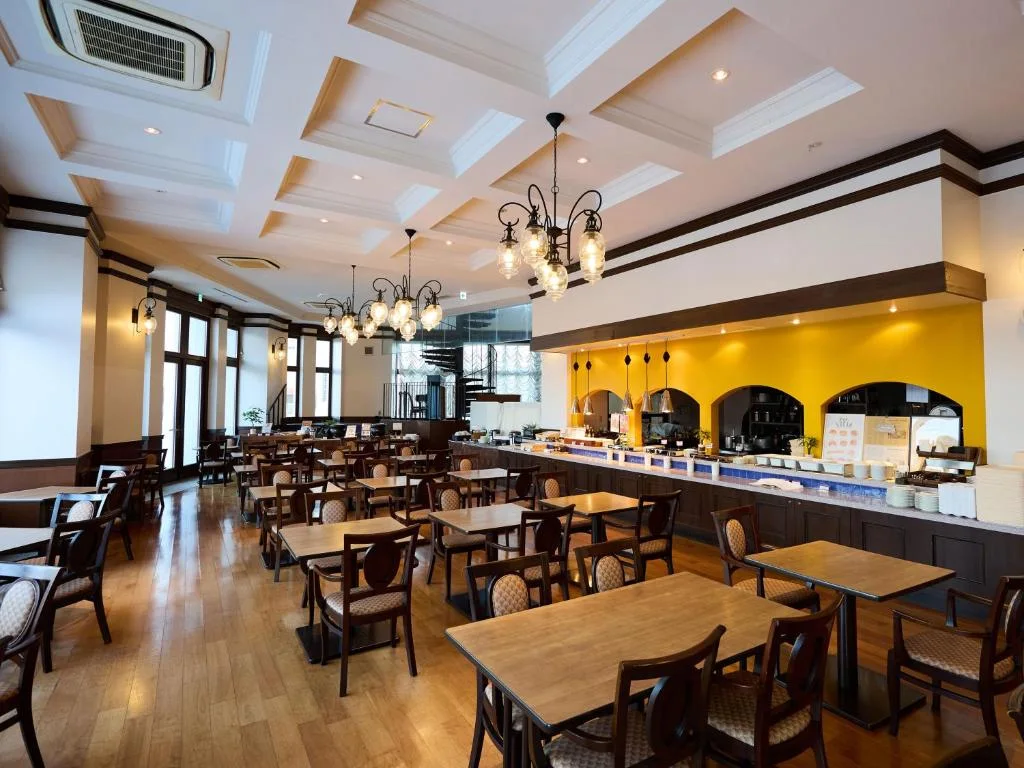
Meals belong in the same comparison. Check what is included, when it is served and what happens after a late arrival. Before an early train, breakfast is useful only if its serving time fits the departure. Read the cancellation deadline with the date and time zone shown in the offer; a hotel's general policy is not necessarily the condition of every rate plan.
Choose the base that avoids your awkward return
Start with the station side if luggage and onward rail travel are the main constraints. Start with Shinkyo if central cultural visits and room breaks are the purpose of the stay. In either case, draw the mountain visit as a separate round trip. One night does not make every Nikko area equally easy, and leaving out an area can be a sensible way to keep the trip at your group's pace.
Join the arrival station, hotel, visit entrance, bag collection and onward train in order. Once that sequence works, compare the real room, meals and cancellation terms. The principle may resemble choosing a station or sightseeing base in Kanazawa, but Nikko's buses and winter paths require their own plan. Give the hotel one clear job and a short winter stay becomes easier to manage.